
- 381 SQFT
- Built In 381
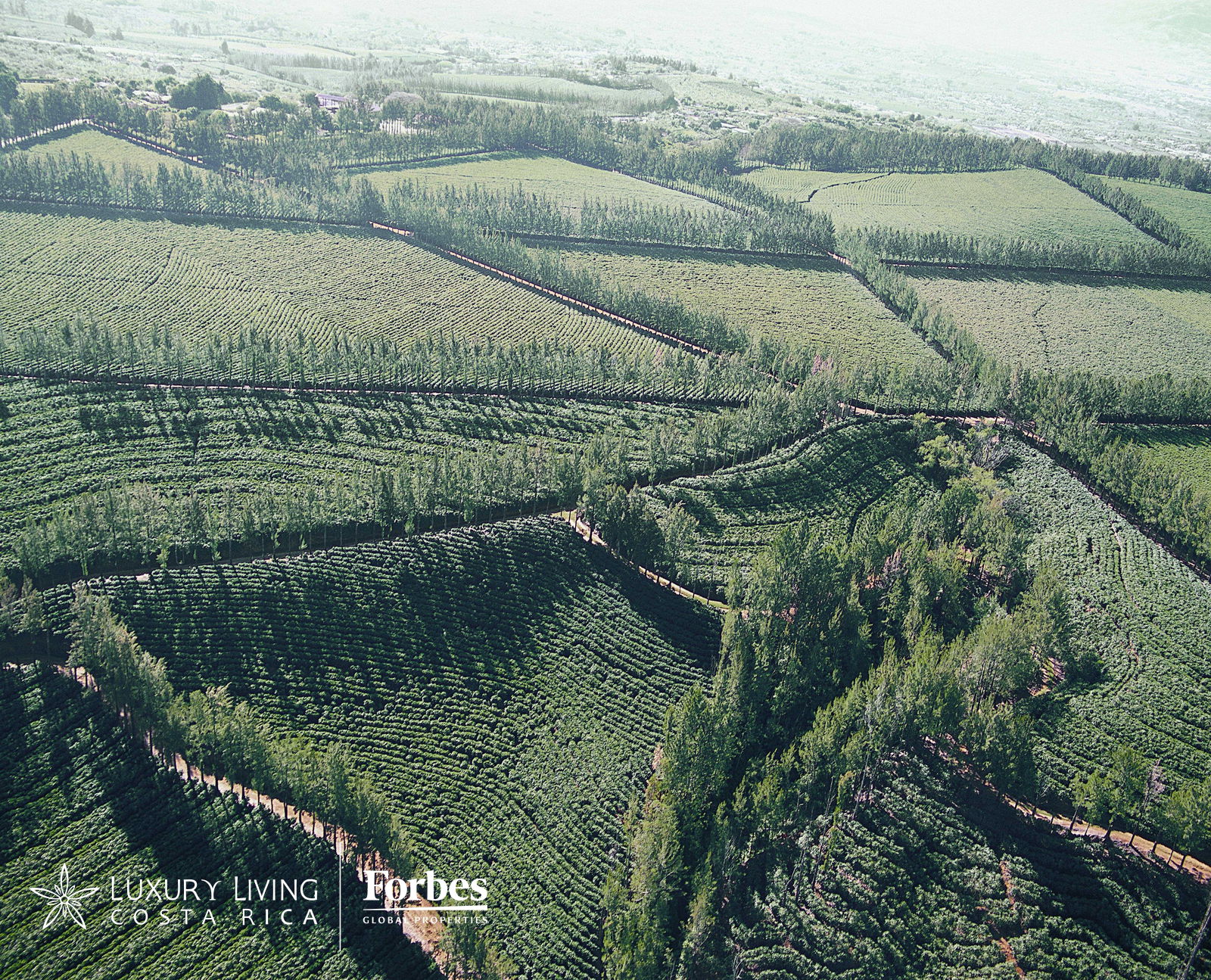
One of the largest and most impressive coffee plantations in Costa Rica, owned by a single individual in the Heredia Province. The sale price includes a fully equipped processing plant (beneficio) for premium coffee. The operation consists of two farms, which can be sold together or separately as follows:
Farm 1 – 250 hectares – $18,500,000 – including the coffee processing plant.
Farm 2 – 131 hectares – $4,750,000.
TOTAL: 381 hectares – $23,250,000.
The coffee farms for sale in Heredia are owned by multigenerational coffee-growing families and are planted with high-quality SHB Estate Coffee. Located in the volcanic mountains of Heredia, northeast of Costa Rica’s capital, San José, this region is renowned in the Central Valley for cultivating high-altitude, premium coffee.
In the 19th century, on the highlands of Heredia, a family member planted the first coffee plant on one of the farms. He cultivated it patiently, caring for it day after day until a healthy coffee shrub blossomed and produced some of the finest beans in the world. This tradition began back in 1876, marking the start of the family’s coffee heritage. Today, you can find the same outstanding coffee grown on the family estate, now in the hands of the sixth generation.
Features:
These coffee farms have a long-standing tradition driven by a pursuit of perfection and total quality.
• Soils: The farms produce their coffee in deep, rich volcanic soils.
• Climate Conditions: The Heredia region offers ideal climatic conditions for producing the best coffee: cool temperatures (18-23°C), perfect rainfall patterns (2,200 mm/year), clean mountain air, and pristine rainwater.
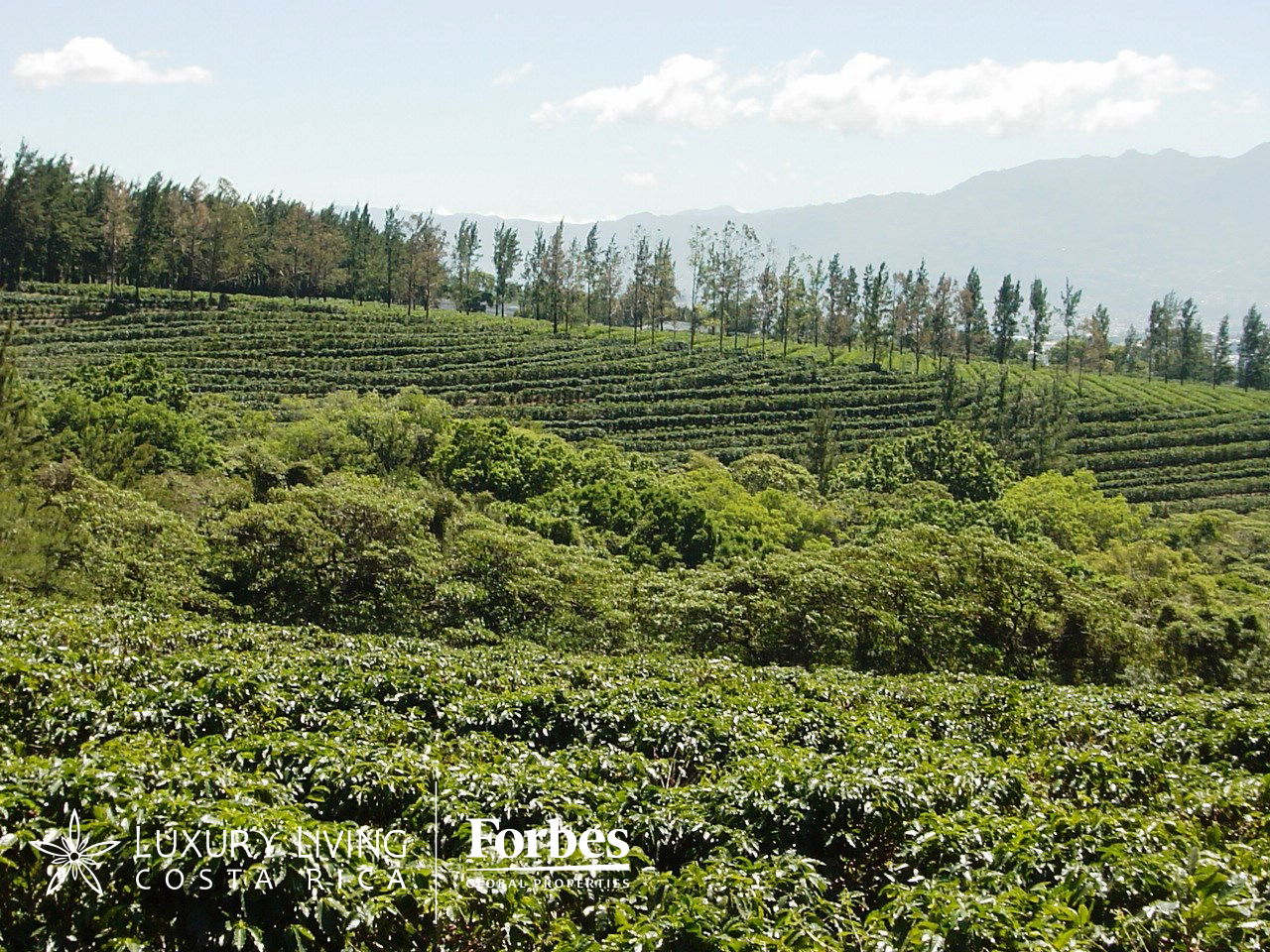
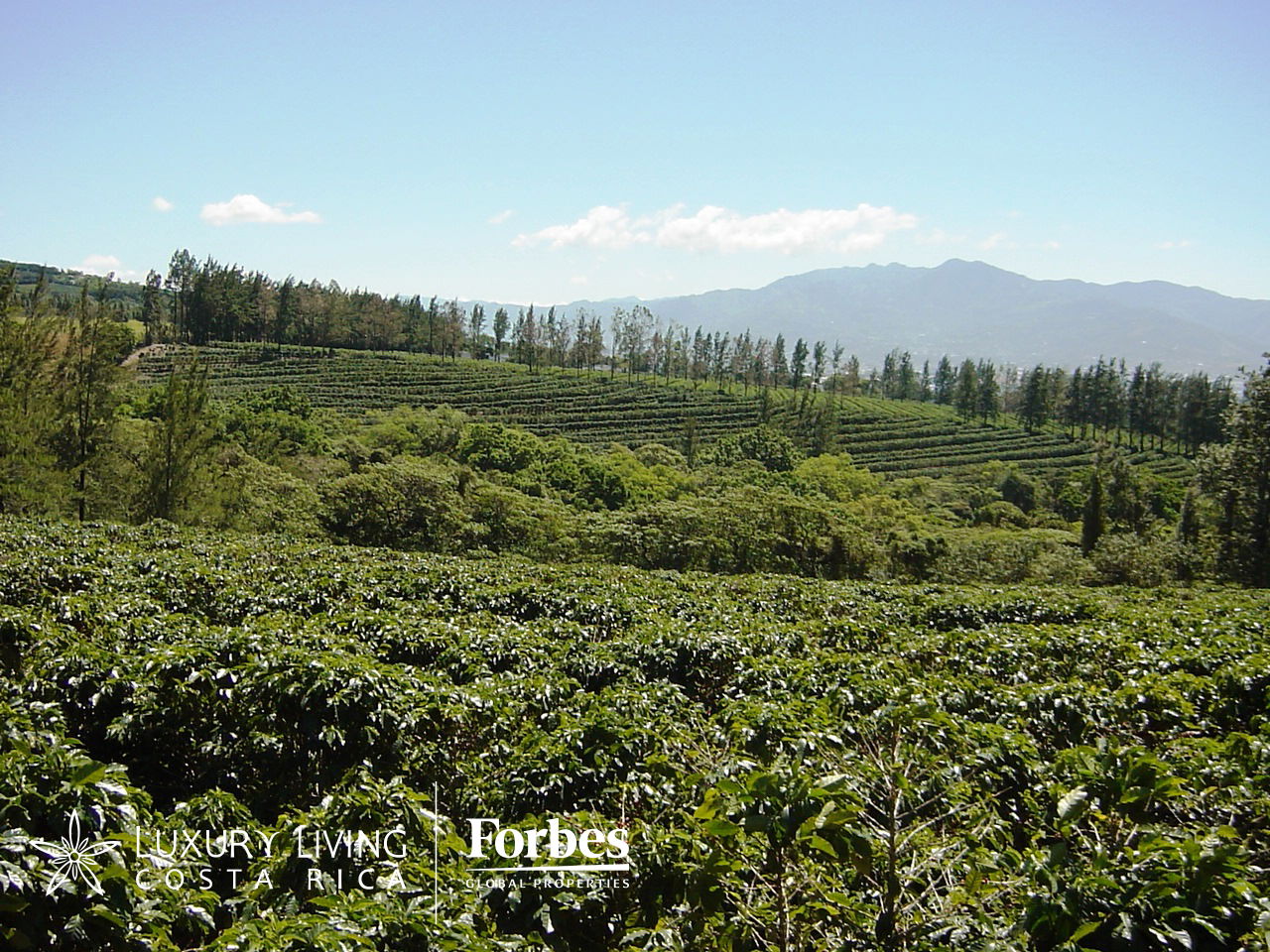
• Altitude: Coffee is grown at elevations ranging from 1,250 to 1,600 meters above sea level. It is well known that the higher the altitude, the better the quality. This is because the slower maturation process allows the beans more time to develop their acidity, body, and aroma fully.
• Coffee Varieties: Only the highest quality varieties, Caturra and Catuai, are cultivated on the estate. These varieties deliver excellent cup quality. Additionally, new rust-resistant varieties such as Obatá and Catiguá are being planted to renew the plantation. All these factors contribute to creating a unique and outstanding cup of coffee, characterized by pronounced acidity, a strong body, and a sweet aroma—the very best Costa Rica has to offer.
Processing:
The high-quality coffee is carefully processed using the Wet Method, which best preserves the intrinsic quality of this exceptional coffee:
• After hand-harvesting ripe cherry coffee, the pulp is removed. This step is the key difference between dry and wet processing, as in the wet method, the pulp is separated from the beans before drying. Pulping is done with a machine that presses the cherries between fixed and moving surfaces. The pulp and fruit skin are composted and used as fertilizer on the farms, while the beans, wrapped in their mucilaginous parchment layer, are set aside. The gap between the surfaces is adjusted to avoid damaging the beans.
• The depulped beans are then passed through machines that quickly remove the mucilage surrounding them. At this stage, the wet parchment coffee contains about 57% moisture. To reduce moisture to an optimal 12%, the parchment coffee is dried in Guardiolas (mechanical cylindrical dryers). After drying, the parchment coffee is stored and rested for 8 weeks.
• In the final stage, the coffee is hulled to remove the parchment, then undergoes screening, grading, and color sorting to prepare it for export. All these processing stages are closely monitored to ensure the coffee’s quality is never compromised.
All coffee processing methods are environmentally friendly. Wastewater generated during processing is recycled, fully treated, and purified before being released into the environment.
Social Responsibility:
The owners prioritize the well-being of the families working on the farms by providing free housing, running water, and electricity. Farm workers earn some of the highest wages in the global coffee industry and are proud of it. The family has also played a key role in facilitating medical services, education, and sports facilities for all agricultural workers.
Environmental Responsibility:
Preserving the environment is of utmost importance on these coffee farms. The owners are committed to producing coffee in harmony with nature and sustainably. To protect soils from erosion and prevent watershed contamination, coffee is planted along contours following the natural slope of the land.
• The cherry pulp waste from the wet process is used as organic fertilizer on the plantation.
• The dried parchment removed during hulling is used as fuel for the mechanical dryers.
• As previously mentioned, wastewater from processing is recycled, fully treated, and purified before release.
• The coffee is produced adhering to the highest ethical standards and social and environmental principles.
Tasting this exceptional coffee is an experience that encompasses many elements: the rich, ancient tradition of family-grown coffee, the deep volcanic soils, the high-altitude cultivation, the cup quality of 100% Arabica varieties, the perfect climatic conditions influenced by the mountain range where the farms are located, and systems of coffee production in total harmony with the highest social and environmental ethics. The combination of all these factors results in a unique coffee—the finest produced in Costa Rica.
- Basic Info
-
- Status For Sale
- Lifestyle Countryside & Mountain Living
- Property Type Land and Farm
- Property Subtype Agricultural Farm
- Location
-
- Zone Central Valley - West
- Province Heredia
- Canton Santa Bárbara
- District Acapulco, Aguabuena, Aguacaliente o San Francisco, Aguas Claras, Aguas Zarcas, Alajuela, Alajuelita, Alegría, Alfaro, Ángeles, Anselmo Llorente, Arancibia, Arenal, Aserrí, Atenas, Bagaces, Bahía Ballena, Bahía Drake, Barbacoas, Barranca, Barrantes, Barú, Barva, Batán, Bebedero, Bejuco, Belén, Belén de Nosarita, Bijagua, Biolley, Birrisito, Bolivar, Bolsón, Boruca, Brasil, Bratsi, Brisas, Brunka, Buenavista, Buenos Aires, Cabeceras, Cabo Velas, Cachí, Cahuita, Cajón, Caldera, Calle Blancos, Canalete, Cañas, Cañas Dulces, Candelaria, Candelarita, Cangrejal, Caño Negro, Canoas, Capellades, Carara, Cariari, Carmen, Carmona, Carrandí, Carrillos, Carrizal, Cartagena, Cascajal, Catedral, Cervantes, Chacarita, Chánguena, Chira, Chires, Chirripó, Chomes, Cinco Esquinas, Cipreses, Cirrí Sur, Cóbano, Colima, Colinas, Colón, Colorado, Concepción, Copey, Corralillo, Corredor, Cot, Cote, Coyolar, Cuajiniquil, Cureña, Curridabat, Curubandé, Cutris, Damas, Daniel Flores, Delicias, Desamparaditos, Desamparados, Desmonte, Diriá, Dos Ríos, Duacarí, Dulce Nombre, Dulce Nombre de Jesús, El Amparo, El Cairo, El General, El Mastate, El Roble, El Rosario, El Tejar, Escazú, Escobal, Espíritu Santo, Esquipulas, Filadelfia, Florencia, Florida, Frailes, Garita, Germania, Golfito, Granadilla, Gravilias, Grecia, Grifo Alto, Guácima, Guacimal, Guácimo, Guadalupe, Guadalupe o Arenilla, Guaitil, Guápiles, Guayabo, Guaycará, Gutiérrez Braun, Hacienda Vieja, Hatillo, Heredia, Hojancha, Hospital, Huacas, Ipis, Isla del Coco, Jacó, Jardín, Jaris, Jesús, Jesús María, Jiménez, Juan Viñas, Katira, La Amistad, La Asunción, La Ceiba, La Colonia, La Cruz, La Cuesta, La Fortuna, La Garita, La Granja, La Isabel, La Palmera, La Ribera, La Suiza, La Tigra, La Trinidad, La Unión, La Virgen, Labrador, Laguna, Lagunillas, Las Horquetas, Las Juntas, Laurel, Legua, León XIII, Lepanto, Líbano, Liberia, Limón, Limoncito, Llano Bonito, Llano Grande, Llanos de Santa Lucía, Llanuras del Gaspar, Llorente, Los Chiles, Los Guido, Macacona, Mansión, Manzanillo, Mata de Plátano, Mata Redonda, Matama, Matambú, Matina, Mayorga, Merced, Mercedes, Mercedes Sur, Miramar, Mogote, Monte Romo, Monterrey, Monteverde, Nacascolo, Naranjito, Naranjo, Nicoya, Nosara, Occidental, Oriental, Orosi, Orotina, Pacayas, Pacuarito, Palmar, Palmares, Palmichal, Palmira, Palmitos, Paquera, Pará, Paracito, Paraíso, Paramo, Parrita, Patalillo, Patarra, Patio de Agua, Pavas, Pavón, Pavones, Pejibaye, Peñas Blancas, Peralta, Picagres, Piedades, Piedades Norte, Piedades Sur, Piedras Blancas, Piedras Negras, Pilas, Pitahaya, Pital, Pittier, Platanares, Pocora, Pocosol, Porozal, Porvenir, Potrero Cerrado, Potrero Grande, Pozos, Puente de Piedra, Puerto Carrillo, Puerto Cortés, Puerto Jiménez, Puerto Viejo, Puntarenas, Purabá, Purral, Quebrada Grande, Quebrada Honda, Quebradilla, Quepos, Quesada, Quitirrisí, Rancho Redondo, Reventazón, Rincón de Sabanilla, Río Azul, Río Blanco, Rio Cuarto, Río Jiménez, Río Naranjo, Río Nuevo, Río Segundo, Rita, Rivas, Rodríguez, Rosario, Roxana, Sabalito, Sabana Redonda, Sabanilla, Sabanillas, Salitral, Salitrillos, Sámara, San Andrés, San Antonio, San Carlos, San Cristobal, San Diego, San Felipe, San Francisco, San Francisco de Dos Ríos, San Gabriel, San Ignacio, San Isidro, San Isidro de El General, San Jerónimo, San Joaquín, San Jorge, San José, San José de la Montaña, San José O Pizote, San Josecito, San Juan, San Juan de Dios, San Juan de Mata, San Juan Grande, San Lorenzo, San Luis, San Marcos, San Mateo, San Miguel, San Nicolás, San Pablo, San Pedro, San Rafael, San Rafael Abajo, San Rafael Arriba, San Ramón, San Roque, San Sebastián, San Vicente, San Vito, Sánchez, Santa Ana, Santa Bárbara, Santa Cecilia, Santa Cruz, Santa Elena, Santa Eulalia, Santa Isabel, Santa Lucía, Santa María, Santa Rita, Santa Rosa, Santa Teresita, Santiago, Santo Domingo, Santo Tomás, Sarapiquí, Sarchí Norte, Sarchí Sur, Sardinal, Savegre, Sierpe, Sierra, Siquirres, Sixaola, Tabarcia, Tacares, Tamarindo, Tambor, Tapesco, Tarbaca, Tárcoles, Tayutic, Telire, Tempate, Tierra Blanca, Tierras Morenas, Tilarán, Tirrases, Tobosi, Toro Amarillo, Tres Equis, Tres Ríos, Tronadora, Tucurrique, Tuis, Tures, Turrialba, Turrucares, Ulloa, Upala, Uruca, Valle La Estrella, Varablanca, Veintisiete de Abril, Venado, Venecia, Volcán, Volio, Vuelta de Jorco, Yolillal, Zapotal, Zapote, Zaragoza, Zarcero
- Community Acquarello Dominical – Luxury Living with Ocean and Jungle Views, Acquarello Flamingo – Oceanfront Luxury in Costa Rica’s Premier Marina, Acquarello Nosara – Luxury Eco-Living in Costa Rica’s Wellness Capital, Acquarello Santa Teresa – High-End Living in a World-Famous Surf Destination, Altos de Montserrat Private Gated Ocean View Community, Arenal Hills – Private Luxury Residences with Volcano Views, Canto del Mar – Hillside Villas with Ocean Views in Dominical, Ciudad Hacienda Los Reyes – Costa Rica’s Premier Luxury Gated Community in La Guácima, Condominio Alto Palomas – A Private Oasis with Panoramic Views in Santa Ana, Condominio Altos del Monasterio, Condominio Belmonte – Exclusive Elegance in the Heart of Escazú, Condominio Bosques de Escazú – Luxury Living Surrounded by Nature, Condominio Central Park – Contemporary Luxury in the Heart of Santa Ana, Condominio Cerro Colón – Exclusive Gated Living in Ciudad Colón, Condominio El Canal – Exclusive Living in the Lush Highlands of Grecia, Condominio Hacienda del Sol: A Premier Gated Community in Santa Ana, Condominio Hacienda El Gregal – Prestigious Gated Living in Curridabat & Tres Ríos, Condominio La Hacienda del Bosque – The Most Prestigious Residential Community in Santa Ana, Condominio Monte Plata – Exclusive Hillside Luxury in the Heart of Escazú, Condominio Panorama – Sophisticated Living with Breathtaking Views in Escazú, Condominio Provenza – Upscale Urban Living in the Heart of Escazú, Condominio Residencial Monterán – The Most Exclusive Golf Community in Curridabat, Condominio Solaris – Luxury Tower Living in the Heart of Nature, Condominio Tierras del Este – Premier Gated Community in Curridabat, Condominio Valle del Tamarindo – Tranquil Luxury in Santa Ana’s Green Valley, Condominio Villa Vento – Contemporary Elegance in Santa Ana’s Prime Location, Condominio Villas del Arroyo – Tranquility and Modern Living in La Guácima, Condominio Vista Al Valle – Exclusive Hillside Living in Alto de las Palomas, Santa Ana, Condominio Vistas del Monasterio – Unparalleled Luxury with Spectacular Views in Escazú, Condominio Vistas del Sol, Costa Verde Estates – Exclusive Luxury Living in the Mountains of Dominical, Eco Residencial Villa Real – The Pinnacle of Luxury and Nature in Santa Ana & Escazú, Escaleras Village – High-End Residential Community in Dominical, Faro Escondido Oceanfront Private Luxury Community, Hacienda Espavel – A Luxurious Oasis in Alajuela’s Exclusive Countryside, Hacienda Espinal – The Gold Standard of Luxury Gated Communities in Costa Rica, Hacienda Natura – A Tranquil Retreat in Grecia’s Scenic Highlands, Hacienda Pinilla – Luxury Living in a Beachfront Golf Community, La Estancia Herradura Beach Private Community, Los Suenos Oceanfront Golf Resort & Marina, Nativa Natural Ocean View Resort Community, Parque Valle del Sol – Santa Ana’s Premier Golf & Luxury Residential Community, Playa Escondida Hign End Secluded Beachfront Living, Punta Leona Oceanfront Gated Community and Private Reserve, Reserva Conchal: A Premier Beach & Golf Community in Guanacaste, Residencial Altamonte – Exclusive Gated Living with Stunning Views in Curridabat, Residencial Ave del Paraíso – A Private Oasis in San Rafael de Heredia, Residencial Cerro Alto – The Most Exclusive Gated Community in Escazú, Residencial Cerro Real – Exclusive Luxury Living in Alto de las Palomas, Santa Ana, Residencial Colinas de Montealegre – Prestigious Gated Living in the East Side of San José, Residencial El Castillo – Exclusive Mountain Living in San Rafael de Heredia, Residencial El Herrán – Exclusive Gated Living in the East Side of San José, Residencial Lakota – Exclusive Gated Community in San Ramón de Tres Ríos, Residencial Lomas de Ayarco – Luxury and Tranquility in Curridabat, Residencial Los Laureles – Timeless Elegance in the Heart of Escazú, Residencial Pinares – Exclusive Living in the Heart of Curridabat, Residencial Trejos Montealegre – Timeless Prestige in the Heart of Escazú, Residencial Verde Vista – Exclusive Gated Community in San Ramón de Tres Ríos, Senderos Luxury Gated Community, Tamarindo 360 – Contemporary Living with Spectacular Views, Terrazas de San Martin – Luxury Ocean-View Residences in Uvita, Torre Los Yoses – Modern High-Rise Luxury in San José, Torre Parkwood Nunciatura – Exclusive High-Rise Living in San José’s Best Urban Location, Valle Escondido Preserve – Luxury Eco-Living in the Monteverde Cloud Forest, Waldorf Astoria Guanacaste – Ultimate Luxury on Costa Rica’s Pacific Coast
- Outdoor Features
-
- Architecture Ecological
- Leisure & Recreation Coffee Plantation
- Views Mountain View
- Community Features
-
- Amenities Gated Community, 24/7 Security, Controlled Access, Private Water Source
- Nearby City Center
- Other Property Features
-
- Lot Area 381
- Year Built 381
- Construction Status N/A
- Reference ID 20066